
How Does Social Media Affect Teens' Mental Health

Social media is a huge part of everyday life for most teenagers today. It shapes how many young people communicate, spend their free time, express themselves, stay connected with friends, and even understand themselves.
While social media platforms can offer entertainment, creativity, support, and connection, they also impact teen mental health, emotional wellbeing, attention span, self-esteem, and anxiety. Naturally, many therapists, parents, and educators are noticing how the effects of social media can quietly influence confidence, relationships, sleep, and emotional regulation over time.
Social media isn’t bad in itself. Some teens feel inspired and connected online, while others feel overwhelmed by comparison, pressure, or the constant need to stay plugged in. The reality is that the impact of social media is complex, especially for children and adolescents who are still developing emotionally and socially.
Today, we’re going to talk honestly about how social media affects mental health in teens, including both the benefits and the negative effects, and how families can embrace this era and support healthier digital habits without turning technology into a source of shame or fear.
How Does Social Media Affect Teens' Mental Health?
Social media’s influence is a real consideration, but it’s also complicated and rarely a one-size-fits-all explanation. Social media apps or access are not automatically harmful, and it’s not automatically helpful either.
The impact of social media often depends on a lot, including:
How different social media apps are being used
The amount of time spent online
The type of content that’s being consumed
Conversations and openness around what’s seen online
How emotionally vulnerable a teen may already be when scrolling
Some teens use social media in ways that genuinely support their connection, creativity, identity exploration, and community. Others find themselves pulled into constant comparison, validation-seeking behaviors, emotional overwhelm, or unhealthy content loops that affect their confidence and mental health outcomes over time. It’s also important to create space for the in between, where there’s a blend of positive and negative moments related to social media use.
Social media as a priority for teens
One thing that’s easy to miss is that social media rarely feels optional to teenagers. Being offline for adults can feel like an empowering choice or boundary, while for teens, it can sometimes feel socially risky. They may worry about missing conversations, inside jokes, invitations, trends, or relationship dynamics happening in real time. That pressure alone can make it difficult to set healthy boundaries around screen time.
At the same time, awareness matters. Teens can absolutely develop a more balanced and healthy social media relationship with supportive guidance, emotional awareness, healthy boundaries, open conversations, and intentional habits around technology use.
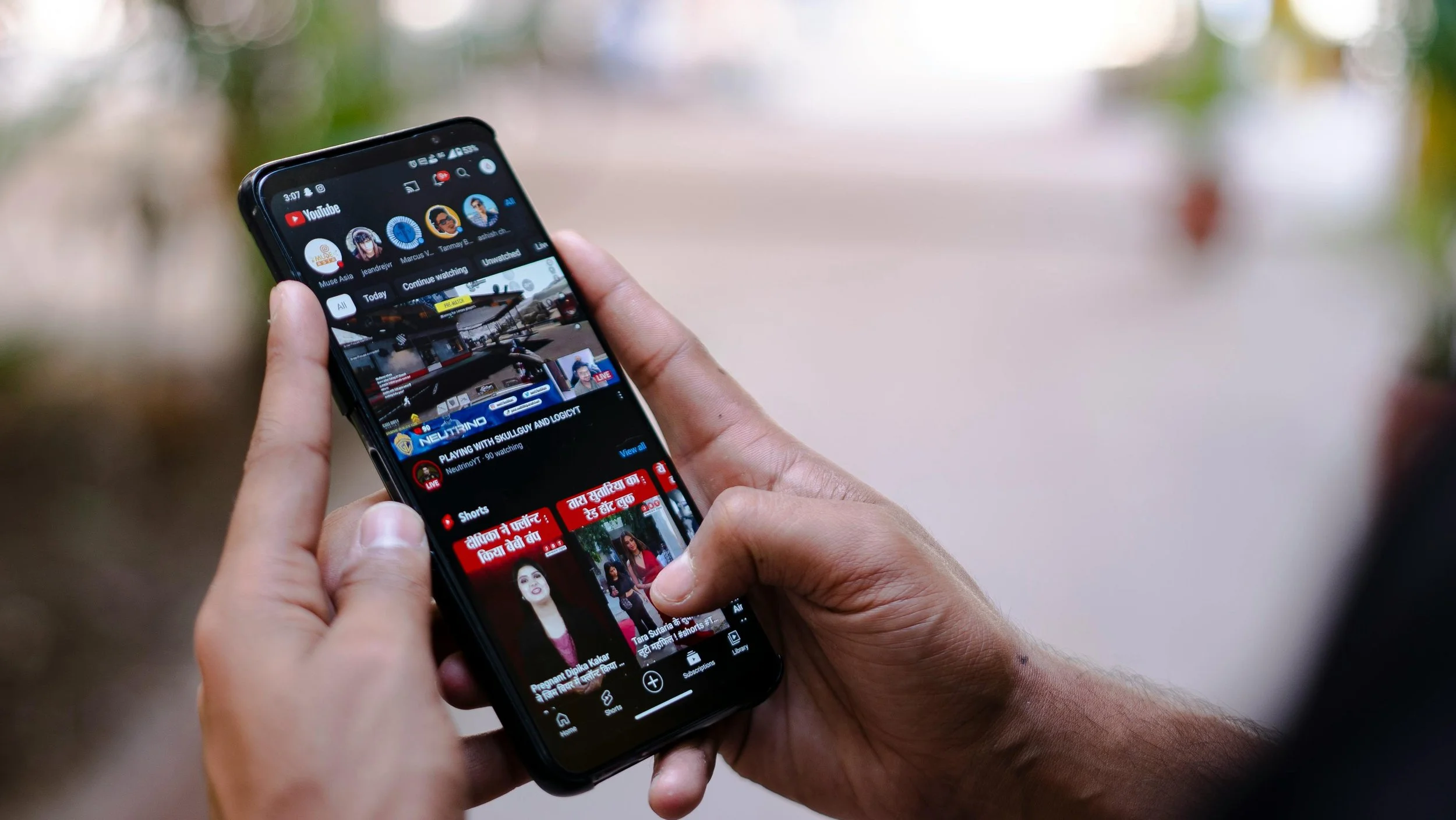
What Percentage Of Teens Use Social Media?
Nearly all teenagers today are likely using social media in some form because there are so many channels to engage with. Research consistently shows that the overwhelming majority of teens engage with at least one social media platform regularly, while many actively use several platforms daily.
A Pew Research report released at the end of 2025 shows that:
Nearly 6 in 10 of teens say they use TikTok and Instagram
Nearly 9 in 10 teens say they use YouTube
Fewer teens use Facebook, WhatsApp, Reddit, and X, but there are still some
For many children and adolescents, social media becomes part of their everyday routine long before adulthood. Messaging friends, keeping up with relatives, learning new information, sharing videos, and participating in online communities are now common parts of social life for young people in the United States.
What’s important to understand is that social media is no longer just entertainment for teens. It often shapes how they socialize, communicate, learn about themselves, and even measure their self-worth.

How Much Time Do Teens Spend On Social Media?
The amount of time teens spend on social media varies widely, but many adolescents spend several hours per day across different apps and platforms.
What starts as “just checking one thing” can easily turn into much longer use because social media platforms are intentionally designed to keep attention engaged. Endless scrolling, autoplay videos, notifications, personalized algorithms, and rapid content switching all make it easy for time on social media to stretch far beyond what was originally intended.
Many teens don’t even realize how much time has passed while scrolling. Sometimes just opening their phones for a few minutes can lead to being on them until late into the night, and the rate of new content available doesn’t make it any easier. That constant stimulation can affect focus, sleep, emotional regulation, and overall mental health outcomes over time.
Is Social Media Good Or Bad For Teens?
This is a question that many people ask, but social media is neither fully good nor fully bad. It’s not as black and white as labeling all social engagement in one way, and it truly depends on your teen and how they’re doing while being active on certain platforms and channels.
All teens are influenced in some way by what they’re regularly exposed to, whether that’s online or at school. The more important question might be, how can you check in with your teen to see how they’re handling the exposure, and do they feel they have a safe place to talk about what comes up for them as they go?
It makes a difference if teens feel:
They can talk honestly about what they’re seeing online without immediately getting in trouble or fearing being judged
Their parents are curious about their world instead of only monitoring or criticizing it
Someone notices when certain apps, trends, or interactions seem to affect their mood or confidence
They have support in learning how to set boundaries online, instead of feeling expected to figure it all out alone
Home feels like a safe place to decompress from the pressure of constantly being connected
Their feelings are taken seriously when online dynamics become emotionally overwhelming
Adults around them model healthy technology habits too, including taking breaks and being present offline
They have hobbies, relationships, and experiences outside of social media that help them stay connected to themselves
They’re reminded that their worth is not based on likes, appearance, followers, or online validation
This is why the conversation around healthy social media habits matters so much. The goal usually isn’t complete avoidance. It’s helping teens build awareness around how social media affects them emotionally and mentally.
Pros of Social Media for Teens
Social media can offer benefits when used in thoughtful and balanced ways.
Some positives include:
Social connection and peer support
Creative expression and identity exploration
Access to educational content and communities
Finding people with similar interests or experiences
Opportunities for self-expression through art, writing, music, or humor
Increased awareness around social issues and mental health conversations
Feeling less alone during difficult experiences
For some teens, social media becomes a place where they finally feel seen or understood. That emotional connection matters, especially during adolescence when identity and belonging feel incredibly important.
Cons of Social Media for Teens
There are also moments where social media can start affecting teens in ways that build up quietly over time if they don’t have a way to talk about things openly or make sense of how they’re feeling in relation to what they see online.
Some common concerns include:
Social comparison and low self-esteem
Cyberbullying and online pressure
Anxiety linked to validation-seeking behaviors
Reduced attention span from rapid content switching
Exposure to unrealistic beauty standards
Increased emotional overwhelm and overstimulation
Sleep disruption from nighttime scrolling
Exposure to harmful or triggering content
Increased vulnerability around eating disorders and body image struggles
The emotional impact of social media is often subtle at first. Teens may not immediately realize that certain accounts, trends, or online dynamics are affecting how they feel about themselves. That’s why checking in goes a long way, and creating awareness about how something seemingly fun and a part of their daily lives can compound on whatever else they may be carrying in their inner world.

How Does Social Media Affect Mental Health In Teens?
Let’s talk about a few more specific presentations of mental health concerns related to social media that you may see.
Increased anxiety from social comparison
One of the biggest effects of social media on teen mental health is constant comparison. It’s hard not to look inward and question your own experience when you’re seeing so many others in the same stage of life as you, talking more about their lives than teens in prior generations ever had access to.
Teens are regularly exposed to carefully curated versions of other people’s lives. Perfect photos, filtered appearances, achievement highlights, friendships, vacations, relationships, and lifestyles can create the illusion that everyone else is happier, more attractive, more successful, or more socially accepted.
Even when teens logically understand that social media is curated, emotionally, it can still affect them deeply. Many begin measuring their worth against unrealistic standards without fully realizing it, and can start to feel more anxiety, insecurity, and poor mental health.
Lower self-esteem due to curated online lifestyles
For some teens, self-esteem becomes tied to appearance, popularity, likes, views, or online attention because it’s a constantly available source of feedback for them. When validation feels more inconsistent, confidence can fluctuate dramatically.
That’s not to say that it always ends up leading to a drop in self-esteem, but the rise in things like “get ready with me” or “spend the day with me” videos can center on lifestyles that feel easy, financially stable, and emotionally fine. That’s when any natural moments of feeling a little bit lower in mood can have a teen questioning if they’re enough.
Exposure to appearance-focused content can also intensify body image struggles and eating disorders, especially for teens already feeling vulnerable or insecure. A teen doesn’t necessarily need to experience direct bullying for social media to affect their confidence. Sometimes simply feeling “not enough” every day takes an emotional toll over time.
Dopamine-driven reward cycles from likes and notifications
Notifications, likes, comments, and views can all create stronger emotional reward cycles.
After all, every alert or interaction offers a quick burst of stimulation and anticipation. Over time, some teens begin checking their phones compulsively without even realizing it.
This definitely doesn’t mean teenagers are weak or addicted in some dramatic way. It means social media platforms are intentionally built to capture attention and encourage repeated engagement, and that can add to the automatic behaviors that teens may form.
Some feelings it can bring out include restlessness, distraction, or emotional discomfort when trying to disconnect from their phones for extended periods. This can all change in time with boundaries, but it’s worth paying attention to.
Sleep disruption caused by late-night screen use
Sleep is so important to teen mental health (and adults, too!). Social media doesn’t exactly equate to late-night scrolling, but in a lot of teens, there’s more use at night after school and activities are done, and more people are online or catching up on the day.
Notifications, messaging, and overstimulation too close to a healthy bedtime can make it harder for teens to fully wind down. That’s why a lot of teens may stay awake much later than intended, especially if they become emotionally pulled into content loops or social interactions.
Poor sleep can intensify anxiety, mood swings, irritability, concentration issues, and the ability to cope with emotions. Boundaries around phones at night can help a lot, as long as it’s not a punishment that teens can’t fully understand.
Heightened sensitivity to peer feedback
Teen years already come with heightened awareness around belonging and peer relationships. Social media amplifies that sensitivity because every single follower, like, interaction, share, and comment is an opportunity to gain feedback.
Not all feedback is positive, and something like a delayed response, fewer likes, exclusion from photos, or seeing peers together without them can trigger intense emotional reactions in teens. They may also feel like adults in their lives minimize the experience because it happened online, but it’s important to validate how real it can still feel.
This is especially important for parents to understand when supporting teen mental health. Dismissing online experiences as “just social media” can unintentionally make teens feel misunderstood or alone.
Should Teens Have Social Media?
There probably isn’t one universal answer to whether teens should have social media, as you can see from the nuances of every unique family dynamic and emotional experience.
What matters more is noticing your teen’s maturity, emotional awareness, supervision, boundaries, communication, and digital habits. Some teens may navigate social media relatively well, while others may struggle more significantly, depending on personality, mental health condition history, sensitivity to comparison, or emotional regulation skills.
Rather than treating social media as completely good or completely bad, there’s an opportunity to approach it with curiosity and openness.
Questions worth asking include:
How does social media make your teen feel emotionally?
What kind of content are they consuming regularly?
Are they able to disconnect without distress?
Is screen time interfering with sleep, school, relationships, or self-esteem?
Are they developing healthy social media habits or feeling consumed by it?
We’d also genuinely love to hear your thoughts. What have you noticed about the impact of social media in your own family or community?
Social Media Guidelines For Teens
Healthy boundaries around technology don’t need to feel harsh or controlling. In many cases, collaborative conversations work far better than fear-based rules.
Some helpful social media guidelines for teens may include:
Age-appropriate platform restrictions
Parental monitoring or open communication
Setting a realistic daily time limit
Encouraging offline hobbies and activities
Protecting sleep by limiting nighttime phone use
Teaching digital literacy and emotional awareness
Having regular conversations about comparison and self-esteem
Encouraging intentional breaks from social media
Following accounts that support healthy social media experiences
Talking openly about the harms of social media without shame
Parents looking for additional support around digital safety may also find this article on how to keep kids safe online helpful.
At the end of the day, the goal isn’t perfection. It’s helping children and adolescents build enough awareness to notice how social media affects their emotions, relationships, attention, confidence, and wellbeing over time.
Social media will likely continue being part of modern life for young people. What matters most is helping teens stay connected not just to their screens, but to themselves, too.
For more, here’s how to communicate with your teen to strengthen your relationship and create open, supportive conversations at home.