
Play Therapy for Anxiety Disorders: Helping Children Feel Safe Before They Have the Words
Parenting is full of moments that may naturally have you wondering if there’s something deeper going on with your little one beyond what you can see from the outside. You may have that gut instinct that they’re worrying more, or notice that they’re reaching for more comfort than you’re used to seeing.
Childhood anxiety can look a lot of different ways, and can be confusing at first. Starting to see behavior shifts such as your child asking when you’re coming back every time you leave a room (even though you’ve never given them a reason to doubt it), can be confusing. Maybe they’re totally carefree in certain moments but then have days where even the smallest change is overwhelming.
Children don't typically have the words to explain what's happening inside, which can leave even the most attentive and present parents trying to piece together the story. It’s important to know that anxiety in kids doesn’t automatically mean you’ve done anything wrong, and even if you have a small indication that something’s off, support exists so you don’t have to navigate it alone.
Play therapy gives children another way to tell their story. It doesn’t replace talking, but instead introduces a language that comes most naturally so that they can express new feelings that are coming up. Below, we’ll explore how play therapy for anxiety can help children express what they’re experiencing, build confidence, and begin moving through worry in ways that feel natural to them.

Play Therapy for Anxiety Disorders
What Does Anxiety Look Like in Children?
Thinking about anxiety as an adult might bring up visuals of racing thoughts, constant worry, fast heartbeats and shutting down. Kids may experience those things too, but it’s far more likely that they’re going to show us instead of tell us.
A few ways you may notice anxious thoughts within your child:
They suddenly don’t want to sleep alone anymore
They get more upset when plans change
They worry about making mistakes
They’re asking for reassurance more than usual
They avoid trying new things because they’re afraid to mess up
They feel uncomfortable in new places
They’re struggling to talk to other people or peers, and get quiet
Anxiety can show up as tears, perfectionism, frustration, clinginess, or big emotions that seem to come out of nowhere. When we only look at behaviors, it can make any parent want to just figure out how to solve it but when we become curious about what’s underneath, we start to see what a child is truly asking for.
Children Don't Need Better Explanations. They Need Better Ways to Express What's Happening.
As adults, we can process experiences by talking through them whether that’s with close people in your life or in the safety of a therapy space. Children are a little different, because they’re still learning how to name emotions and connect them to experiences. That can make explaining them out loud intimidating or uncomfortable.
At the same time, that doesn’t mean that kids aren’t processing what’s happening in their little minds and bodies. It just means that they may need other ways to express themselves, which is where play therapy can meet them in a more natural way.
Children naturally communicate through imagination, movement, creativity, and play. For example, a child feeling worried may build a safe home or structure with blocks. Another might make sure stuffed animals have a comfy place to sleep, or rescue a certain character from danger as part of a game.
Every child’s mind is so nuanced, which is why a play therapist can build a personal relationship over time, but the importance is not in assigning meaning. It’s more about looking at patterns with an open mind to see what they may be trying to show us as they continue playing without pressure to solve.
It can be really interesting to see children return to the themes of play that their nervous system is still trying to make sense of. Using things like creativity or make believe gives them the opportunity to move through those experiences in a way that feels safe enough for them.
Why Play Therapy Can Be So Effective for Anxiety Disorders
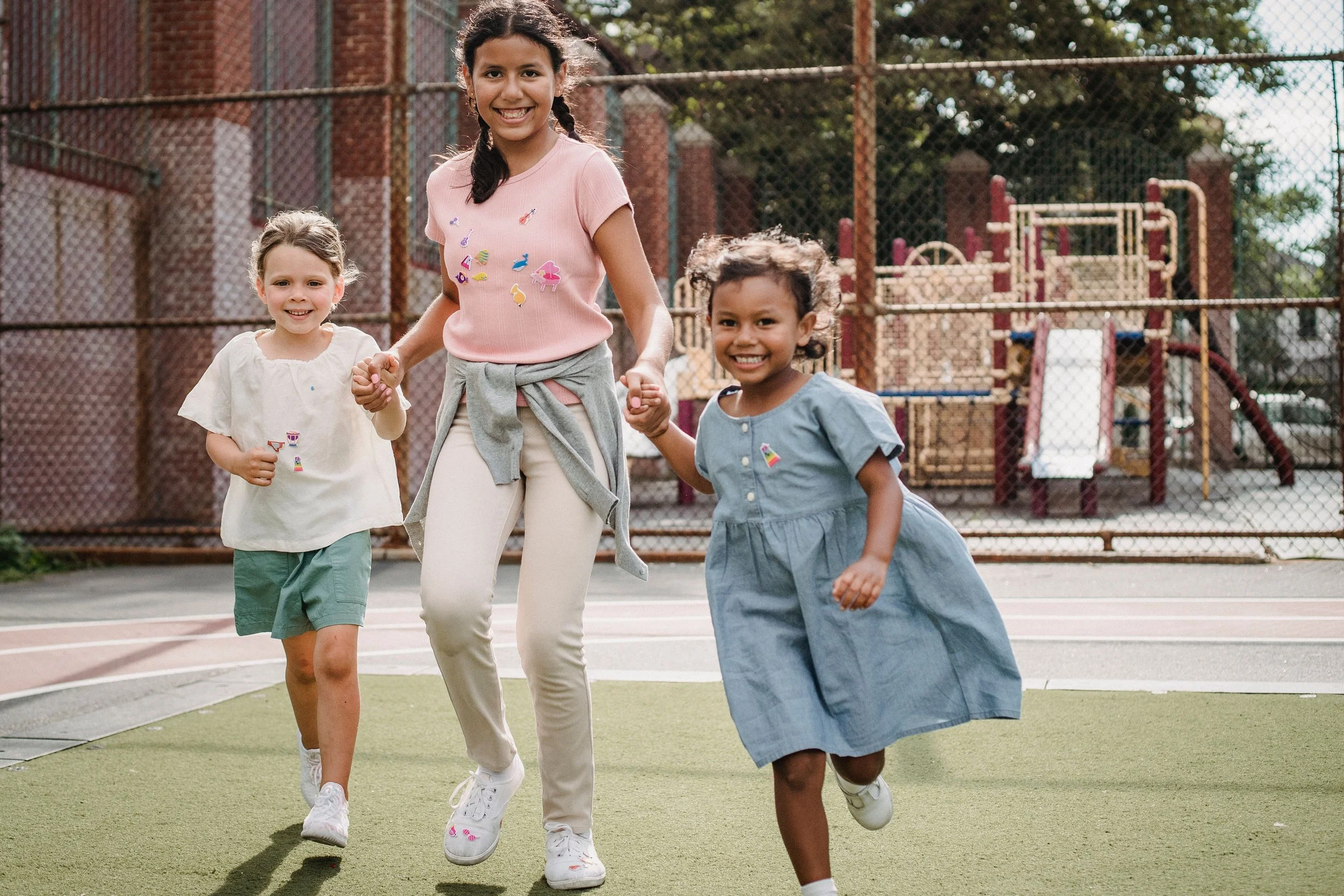
To a child, anxiety can create a consistent message that the world is unpredictable. Play therapy within the consistency of a therapy space helps them begin to practice more flexibility, problem-solving, emotional expression, and confidence without feeling like they’re being expected to do something specific or perform.
Play therapy introduces a time where:
They're allowed to make mistakes
They're allowed to change their minds
They’re allowed to not know what’s next
They're allowed to feel frustrated, scared, excited, or uncertain without someone rushing to make those feelings disappear
They can be themselves
That matters because anxiety is usually wanting more than an explanation. The feeling is more likely asking for an experience that helps their nervous system learn, “I'm safe enough to try.” Over time, those experiences begin to build on one another.
The goal is never to eliminate every anxious thought, but children can slowly develop more trust in themselves when those thoughts appear and feel more inner confidence as they grow into adolescence and adulthood.
Some Children Feel Everything More Deeply
Some of the ways children experience anxiety is through being incredibly observant, but not know exactly how to make sense of the feelings that come up when they notice more and more.
A few ways that may look:
They notice when a parent's tone changes
They notice when classmates seem left out
They notice routines that shift by just a few minutes
They notice the emotions in a room before anyone says a word
That sensitivity can be one of their greatest strengths, but it’s helpful to know when they haven’t quite yet developed the life experience or emotional tools to sort through everything they take in. Without support, their little nervous system may begin treating every moment of uncertainty like it’s a threat.
Play therapy won’t teach them to care less, but it does help them carry that sensitivity without being overwhelmed by it.
What Does Play Therapy for Anxiety Look Like?
Every child enters the playroom a little differently, which is why play therapy can be such a great way to embrace their authenticity and build confidence in the way they need. There’s no specific mold, because that creativity and imagination are what we’re looking for.
Some kids will head straight for art supplies while others build elaborate worlds with blocks. Some create stories with dolls or animal figures and others communicate through movement, games, or sensory play. Some want to be outside or near windows looking outdoors, and others want to be cozy in a blanket and relaxing with their toys.
Underneath the genuine moments of play, something much deeper is happening.
A few ways play therapy supports children
They get to experiment with new ways of responding to challenges
They express emotions that have been difficult to name
They practice problem-solving
They discover that uncomfortable feelings don’t have to take over the entire moment
Most importantly, they're doing all of this within the safety of a relationship where they don't have to get it right. That’s the foundation of this work, helping children feel deeply understood before they have to explain a thing. It’s part of helping them learn that emotions are ok, and they’re not alone in holding them but they also don’t need to know exactly how they feel to find ways to regulate.
Progress Often Looks Quieter Than Parents Expect
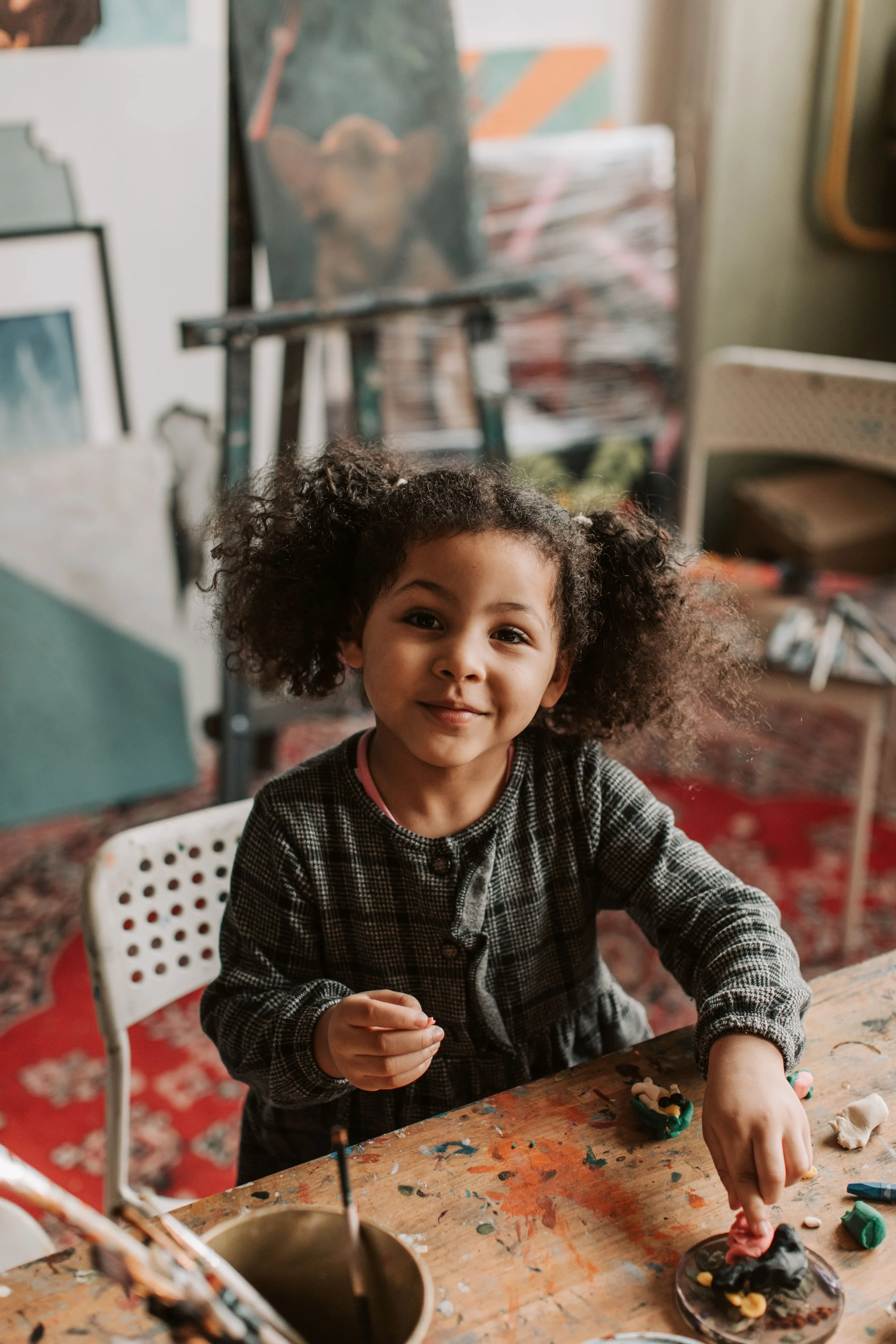
One of the beautiful things about working with children is that growth doesn’t happens all at once. It honestly may show up in ways that are easy to miss if you’re only looking at anxiety disappearing as a productive outcome.
The small yet impactful ways children may show progress:
Walking into school without turning back for one more hug
Settling into bed without needing you to come back into the room quite as many times
Feeling really disappointed, but finding their way back to playing a little sooner
Joining in on something new even though they’re still a little nervous
Telling you what’s bothering them instead of going quiet or saying “I don’t know”
Asking for help when something feels hard instead of immediately wanting to give up
Doing something on their own that they used to need you right beside them for
These moments can seem small, but they’re showing ways that children begin trusting themselves in situations that could have overwhelmed them in the past. The more they practice these skills, the stronger they can become as they’re growing into new unknowns within their world.
As we talk about the play that’s happening, there’s also a new doorway to conversations as they get older about similar thoughts or worries coming up. It can be really helpful for parents to encourage open dialogue, as their child is ready and comfortable.
The Role Parents Can Play
One of the questions parents ask most often is, "Am I doing something wrong?" When you care about your child and start seeing something you don’t recognize, it can be scary and hard not to blame yourself. This is where we want to offer you validation for those feelings and remind you that anxious thoughts can be a very normal part of a child learning to navigate situations that are new or unknown.
Even with the most reassurance, encouragement, and comfort a child might need an outlet to process what they feel first. Play therapy is about offering that place where we’re trying something new, not replacing something that hasn’t worked to ease your child’s anxiety.
As parents begin seeing their child's anxiety through a different lens, many interactions naturally begin to change. We can continue shifting the conversation from noticing behaviors that are concerning to looking beyond them to understand what a child needs and how to show them that it’s ok to express thoughts and feelings in a way they feel more drawn to than verbalizing it all.
When Should You Consider Play Therapy for Anxiety?
Every child experiences worry at some point. Growing up comes with a lot of new situations, big feelings, and moments where they feel unsure and want to do the right thing.
When you’re noticing anxiety is making it difficult to enjoy childhood, it may be time for additional support.
It may be worth paying closer attention when worry:
Sticks around long after the situation that brought it up has passed
Feels much bigger than what you would expect for their age or the situation
Starts shaping what they will and won’t do
Gets in the way of school, friendships, family time, play, or sleep
Seems difficult for them to move through even with reassurance and support
Shows up across many different parts of their life rather than around one specific situation
Becomes more intense or frequent over time instead of easing as they adjust
Keeps them from participating in things they want to be able to enjoy
Requires more and more accommodation from the family to help them avoid feeling anxious
The goal isn’t to look for anxiety in every worried moment, because that can easily spike your anxiety as a parent. Worry is part of childhood, and many fears come and go as children grow. What matters more is how persistent the worry feels and how much it begins to interfere with your child’s everyday life.
We’re Here to Support You, Always
Children don’t always know how to tell us what’s going on, and as a parent, it can be hard to know what to make of the changes you’re seeing. You may just know that something feels harder for them lately and want to help without always knowing how.
That’s part of what makes play therapy so meaningful. Your child doesn’t have to sit down and explain exactly what they’re worried about or find the “right” words for how they feel. They get to communicate in a way that already feels natural to them, with a therapist who knows how to meet them there.
Over time, that can help them understand what they’re feeling, feel more confident when something is hard, and learn that they don’t have to be afraid of every uncomfortable feeling that comes their way.
Anxiety might be taking up more space in your child’s world right now, but that doesn’t mean it always will. With support that feels safe and appropriate for who they are, they can begin to feel more like themselves again, and you can feel a little less alone in figuring out how to help them get there.