
Why Do I Feel Like Everyone Else Has a Friend Group Except Me? A Guide for Teens
It’s never fun looking around and feeling like everyone else already has their people. You may have friends, people you talk to at school, teammates, classmates, or someone to text a funny TikTok to, and still feel like everyone else has a more solid group to belong to.
It makes sense if you’ve been thinking about this a lot, because friendship is such a big part of your life in these teen years. We completely get that things that feel small like a lunch table, group chat, weekend plans, or pictures posted to someone’s story add up when you’re not sure where you fit in.
If you’ve been thinking, “Why does everyone else seem to have a friend group except me?”, we want you to know this first: you’re not the only person who feels this way, even if it really seems like you are. Let’s talk about it, and help you make sense of what you’re feeling and how to find that sense of belonging that can feel so good.

Why Does It Feel Like Everyone Else Already Has Their Group?
Part of what makes this feeling so hard is how easy it is to see everyone else’s friendships on display. You notice who walks into school together, who always seems to know where they’re sitting at lunch, who gets tagged in the same posts, and who somehow always seems to have plans.
So of course, it can look like everyone else already has this figured out. What’s harder to see is how those friendships are playing out in real time, and how everyone actually feels once the picture is taken or the group chat goes quiet.
This is also where you can think about what a quality friend group really means. For everyone, it may be different. Some people will default to hanging out with teammates who do the same activities and relate to their busy schedule, but not have that one go-to best friend when things are feeling hard at home.
Others may be posting all the time with fun plans and groups of people they’re close to, but not be so sure that those same friends would come over and just hangout if it wasn’t shared online. It also matters when you’re thinking about who you feel comfortable around and align on values with. Someone can be available for plans but do things you don’t feel great about.
So all of this doesn’t mean you have to talk yourself out of feeling lonely or wanting a friend group at all. It’s just to help build the perspective on what you might really be looking for as you create your circle, and remember that things aren’t always as simple as they look on the surface.
Social Media Can Make Friendship Feel Even Bigger
Seeing people together through their stories or noticing the same event in the background of posts that you’re not in can make it feel like the distance is on display even more. And naturally, if you’re sitting at home alone it can make the feelings of being left out bigger and harder to ignore.
Sometimes one social media scroll can make a normally fine day feel suddenly like you’re questioning why you weren’t invited, what it would be like to hangout with certain people, or if you’re doing enough to have the social life that everyone else seems to have.
Those moments can sting, and have you looking at yourself in a different light. You’re also likely well aware that people are posting their highlights, and you won’t see the nights they’re sitting at home asking themselves the same questions. But that doesn’t make your feelings less valid and it’s okay to sit with what comes up in you when you’re thinking about friendships and where you feel like you fall in it all.
So let’s invite two things to be true here. You can absolutely feel the way you feel and notice what’s happening when you see updates on certain platforms or from certain people. You can also be gentle with yourself, remembering that it’s not the full picture and you’re not the only one who may be sitting on the outside looking in.
You Can Have Friends and Still Feel Lonely
Sometimes this whole thing gets even more confusing because you do have friends. You may feel like you’re not really allowed to be lonely when there are people in your life who care about you.
And hey, sometimes friendship doesn’t have to work that way. You can appreciate the people you have and still wish something felt closer, easier, or more consistent. Especially in these teen years, you’re meeting new people all the time and also doing a lot of growing up on your own. It’s only natural to drift away from people you might have known for a long time and find yourself wanting to build a friend group of people who share interests or feel like they’re more your vibe.
Maybe you want one person you can tell everything to without wondering if you’re oversharing. Or you’re tired of always being the one to text first, or you wish there was someone you could make plans with without having to think so hard about whether they actually want to go.
Those feelings don’t mean the friendships you already have are fake or meaningless at all. They may just be helping you notice the kind of connection you’re wanting more of, and that gives you some great information to use going forward.
Why Do Friendships Change So Much During the Teen Years?
Friendships can change a lot during these years because your lives are changing a lot too. People join new activities, start dating, switch schools, meet different people, get interested in new things, and figure out more about who they are. There may be drama or fallouts, friends moving, or schedules that change with your classes and after school activities that make it harder to stay close.
Sometimes you know exactly why a friendship changed. Other times, you just slowly notice that someone isn’t texting as much, you aren’t automatically included anymore, or a friend who used to feel really close seems to have gotten closer to someone else.
It’s totally understandable if that kind of change hurts more, because you’re not really sure what happened. It may actually feel easier if there was a fight or a falling out, because you’d have a clear reason. Growing apart is tough, but it doesn’t have to mean that you’re doing anything wrong either. When you don’t know what happened, it’s really easy to fill in the blank with something hard on yourself, so we encourage you to give yourself some grace here.
People change all the time, and there are a few ways to reflect on distance while offering yourself some compassion:
Has anything changed in your schedules, classes, activities, or routines that naturally gives you less time together?
Has your friend started spending more time with new people without necessarily pulling away from you on purpose?
Have your own interests, priorities, or needs changed too?
Is there something specific that happened between you, or does the friendship mostly feel different than it used to?
Are you assuming you did something wrong because you don’t have another explanation yet?
Do you still feel good when you’re together, even if you don’t see each other as often?
Is there something you want to ask or talk about instead of trying to figure it all out on your own?
Are you missing this particular friendship, or are you missing how secure and close it used to make you feel?
Could this friendship be changing without needing to completely end?
You don’t have to answer all of these or turn a friendship into another homework assignment. Sometimes they can just help you separate something has changed from something is wrong with me, because those are two very different things.
You may decide there’s a conversation you want to have, or you may realize the distance makes more sense when you look at everything that has changed around you. Either way, growing apart can still be sad, and you’re allowed to miss what the friendship used to be without making that loss a reflection of your worth.
What If I Feel Like the Extra Friend?
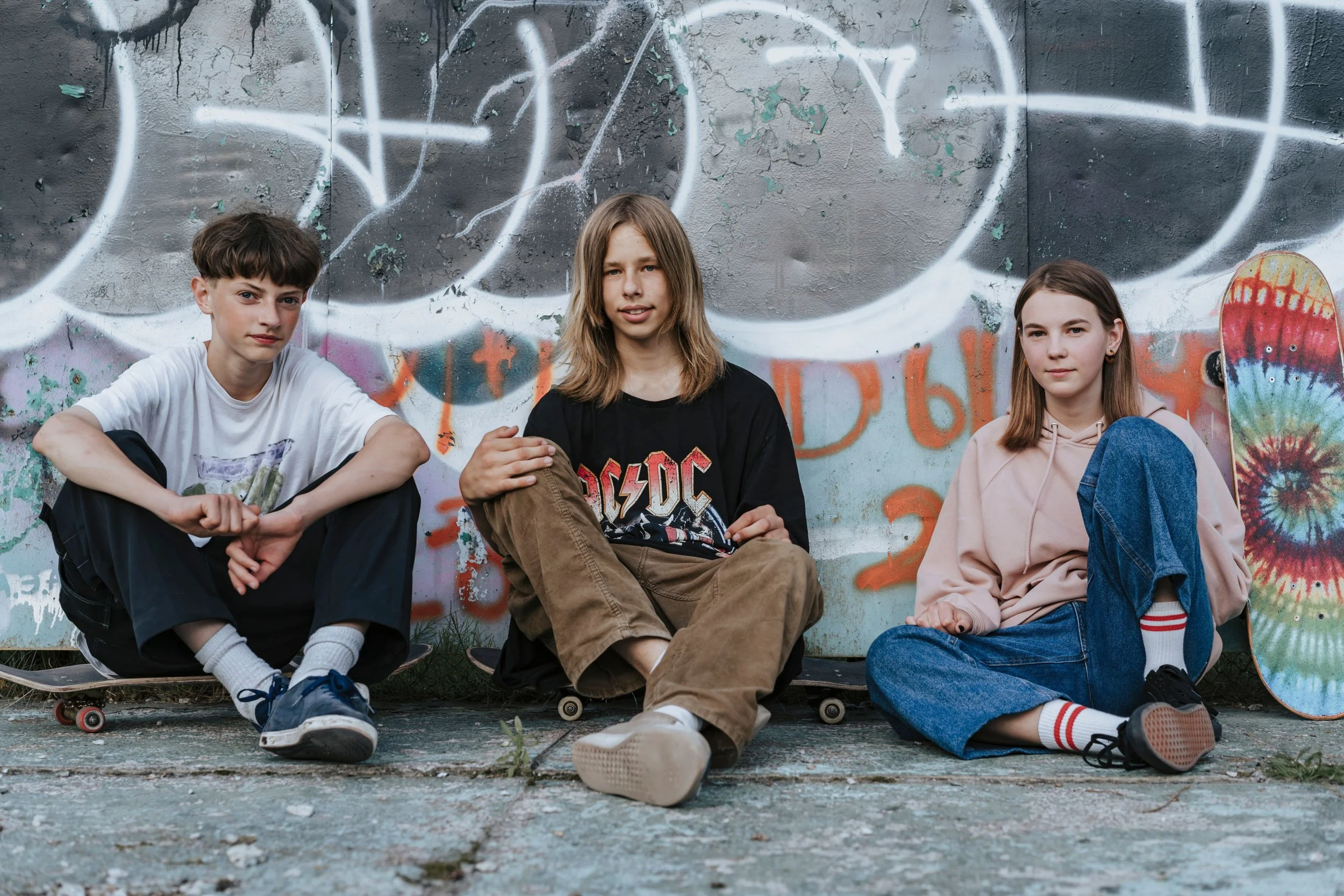
This is where we want to send you a big hug! Anytime you’re feeling like the extra friend who doesn’t really have a strong spot in a friend group can make you notice every little thing and it doesn’t feel good at all. Even if it’s not necessarily what your friends see you as, it’s completely understandable to notice you’re paying attention to who sits next to whom, who gets invited first, who knows about plans before you do, or whether two people seem to have gotten closer without you.
Any time you’re wondering if you were left out can hurt. Those feelings come from wanting to belong, and make complete sense. Afterall, you deserve to feel like your friendships are mutual. That’s why we will never tell you that you shouldn’t care.
At the same time, once you’re already unsure about where you stand, even a small moment can start to feel much bigger so it’s worth taking a look at if this is feeling like it’s eating you up inside. Have you noticed that when someone takes longer to answer your text, two friends hang out without you, or people are laughing when you walk over, suddenly your mind is trying to figure out what it all means?
That can get exhausting pretty quickly and makes it hard to enjoy friendships.
Coming back to what the feeling tells you
In those moments, it can help to remind yourself that feeling unsure doesn’t automatically mean you don’t belong. Sometimes your brain is trying really hard to protect you from being hurt again, which can make every little social shift feel like something you need to solve right away.
You may not get instant proof that everything is okay, but you can give yourself a little room before deciding the worst. Maybe the text took longer because they were busy, maybe two friends hanging out doesn’t change your place in the friendship, and maybe there are parts of the relationship that still feel steady even when one moment doesn’t.
We also want you to remember that your place in a friendship isn’t something you have to constantly earn. The people who are meant to feel safe in your life should give you room to be yourself, have off days, miss a text, say the wrong thing sometimes, and still know you’re cared about.
If you’re starting to realize that a friendship regularly leaves you questioning your worth, that can be important information too. It doesn’t mean you failed at friendship; it may mean you’re learning more about the kind of relationships that help you feel secure, wanted, and able to breathe a little easier.
There really are people you can feel more settled with. You may not have found all of them yet, and that can be hard to trust when you’re hurting now, but one uncomfortable season in friendship does not get to decide what connection will look like for you forever.
Not Having One Big Friend Group Doesn’t Mean You’re Doing Friendship Wrong
There’s a very specific version of friendship that gets shown a lot: one close group that does everything together. I mean, look at any reality tv series, show or movie and you’ll see this image of a close-knit crew that always show up for each other and offer endless opportunities for plans. So yes, it can be hard not to feel like that’s what you’re supposed to have.
Some people genuinely love having one big group. Other people feel much more themselves having a few different friendships in different parts of their life. The thing that matters is what you’re looking to feel in a group.
Here are a few ways to explore what connection in a group of friends means for you:
When you picture a friend group that feels really good to be part of, what do you hope you feel when you’re with them?
What helps you feel like you can fully be yourself around people instead of worrying about how you’re coming across?
Are you looking for one close group that does most things together, or would a few different friendships that each feel meaningful actually fit you better?
These answers can guide you to the people who help you feel like you can show up like yourself and get what you need from that sense of connection.
What Should a Good Friendship Actually Feel Like?
We’re not going to tell you that a good friendship means you’ll never feel left out, jealous, annoyed, insecure, or hurt. Friends are people, and people get things wrong or confused sometimes. As you’re thinking about how you want to feel in a friendship, you’re also answering this question in a way that will help you find your people and not have to fit into some vision of connection that other people set out.
When you start to notice who you relax around, or who you’d go to if something big happened in your life, you can see what a good friendship means to you. It matters what you’re bringing to friendships, but it also equally matters what they bring to you in return.
You also deserve friendships where you can bring something up if it hurt. You shouldn’t have to become funnier, quieter, easier, prettier, less emotional, or more agreeable just to make sure somebody keeps choosing you. So if you did feel left out or wanted to know where you stood, you could be honest with them and talk it through.
A good friendship can still have awkward moments and hard conversations (and most will!). It should also leave room for you to actually be there as yourself, accepted and authentically who you are.
What If I Feel Embarrassed That I’m Lonely?
Loneliness can be hard enough on its own, and then sometimes there’s this extra layer of embarrassment that makes it even heavier. You may start wondering why friendship seems so easy for everyone else, or feel like you should somehow be better at this by now.
If that’s where you are, we really want you to hear this: feeling lonely does not mean you are failing at friendship. It means you’re wanting connection, and when that connection doesn’t feel as close or steady as you hoped, of course it can hurt.
There may be days when it feels like everyone else found their people and you somehow missed the moment when that was supposed to happen. That feeling can be incredibly convincing, especially when you’re looking at other people’s friendships from the outside and comparing them to everything you know about your own.
We want to offer you some hope here, because this season is not the whole story of your social life. You can still meet people who feel easier to be around, grow closer to someone you already know, or find that one friendship starts to feel more secure in a way you didn’t expect.
You can be funny, thoughtful, kind, interesting, and deeply worth knowing while still going through a lonely stretch. This moment may be telling you that you want more closeness, not that there is something wrong with you.
How Can I Feel More Like I Belong?
When you’re feeling left out, it can be tempting to think the answer is finding a whole new group as quickly as possible. Sometimes belonging starts much smaller than that, with one person you feel a little more relaxed around, one conversation that feels easier, or one place where you don’t have to work so hard to fit in.
You might notice where connection already feels a little more natural, whether that’s a class, team, club, job, creative space, or just one person you already know. Giving those relationships more time and attention can feel a lot more doable than putting pressure on yourself to suddenly become more social.
There’s no rush to build a perfect friend group. You’re looking for moments where you feel a little more seen, a little more comfortable, and a little less like you have to prove you belong there.
When Should I Talk to Someone About Feeling Left Out?
You don’t have to wait until friendship feels unbearable before you talk to someone. If this is taking up a lot of space in your head, changing how you feel about yourself, or making school and social things feel harder than they used to, it can be really helpful to have somewhere to put all of that.
Maybe one interaction changes your whole mood for the day, or you find yourself replaying texts and conversations trying to figure out what you did wrong. Maybe you’re starting to avoid plans because it feels easier than risking another moment where you don’t know where you fit.
You deserve to have someone take that seriously without making you feel dramatic. Friendship can affect your confidence, your anxiety and overthinking, and your sense of belonging in really big ways, and you don’t have to carry all of that by yourself.
Can Therapy Actually Help With Friendship Problems?
Yes, especially if you want one place where you can talk honestly about what’s happening without worrying about sounding jealous, awkward, needy, or too sensitive. Therapy can give you room to say the whole thing out loud and sort through what feels hurtful, confusing, or hard to trust.
A therapist isn’t there to pick your friends or tell you who you should spend time with. They can help you understand what you need in friendships, what keeps making certain situations hit so hard, and how to feel more secure in yourself even when social things feel uncertain.
At The Flourishing Way, therapy for tweens and teens can support you with friendships, confidence, anxiety, identity, school stress, and social pressure. You don’t need to have the perfect words for what you’re feeling before you come in.
Sometimes it helps just to know there’s one place where you don’t have to pretend you’re okay with something that really hurts.
You Haven’t Missed Your Chance to Find Your People
When you’re lonely now, it can be hard to imagine friendship ever feeling different. It can seem like everyone else already found their group and you somehow got left behind.
Your social life is not finished becoming what it’s going to be. The people you feel closest to right now may stay with you for years, or you may meet someone months from now who ends up feeling easier and more like home than you expected.
Some friendships will last a long time, and others may matter deeply for one part of your life. Neither version means you did anything wrong.
You’re still learning what kind of people make you feel safe, seen, and like yourself. There is real hope in that, even if right now you’re still in the part where you’re waiting for it to feel more settled.
Common Questions About Teen Friendships and Feeling Left Out
Is it normal to feel like everyone else has more friends than me?
It can really feel that way when you’re seeing other people together all the time at school and online. What you don’t get to see as easily is who feels insecure in those groups, who is quietly lonely, or who is also wondering where they fit.
That doesn’t erase how hard it feels for you. It just means the picture around you may not be as complete as it looks.
Why do I feel lonely even though I have friends?
You can care about the friends you have and still wish something felt closer or more steady. Sometimes the loneliness comes from wanting to feel more understood, more chosen, or more relaxed around the people in your life.
That doesn’t mean your friendships are meaningless. It may just be showing you what kind of connection you’re hoping for more of.
Why do my friendships keep changing?
Friendships can shift a lot during the teen years because everyone’s lives are changing at the same time. New classes, activities, relationships, interests, and schedules can make people feel closer or more distant without there always being one clear reason why.
That can still hurt, especially when you miss how things used to feel. A changing friendship doesn’t automatically mean you caused the change.
How do I make friends if everyone already has a group?
Try thinking smaller than finding a whole group. One conversation, one person you feel comfortable around, or one invitation can be the beginning of something without needing to know where it will lead.
You don’t have to force yourself into a group that doesn’t feel right. Sometimes connection grows more naturally when you give one relationship room to become something.
When should I talk to someone about feeling left out?
If this is hurting enough that you’re thinking about it all the time, pulling away from things you want to do, or starting to feel worse about yourself because of it, talking to someone can help. Teen therapy can give you a place to work through the hurt without anyone treating you like you’re the problem.