
Meet Kristin McKenna: Creating Space for Kids to Share Their World
Little ones can’t always tell you what’s going on when they’re having a hard time. Sometimes, you see it instead with a meltdown that comes out of nowhere, or a reaction that feels bigger than the moment. Maybe it’s a difficulty calming down when they’re upset or watching behavior that makes you wonder what your child really needs.
Kristin McKenna, a Registered Play Therapist™ and Child Therapist at The Flourishing Way spent years spent years of her career getting curious about these exact moments. Kristin works with children who experience big feelings and difficulty regulating alongside their parents and caregivers who are trying to understand and support them.
At the heart of her approach is an important way to look at childhood: children often express what they're feeling through their behavior, especially when they don't yet have the words for it.
Learning to see behavior differently is actually part of what led Kristin to this work in the first place.
The Moment Kristin Started Seeing Kids Differently
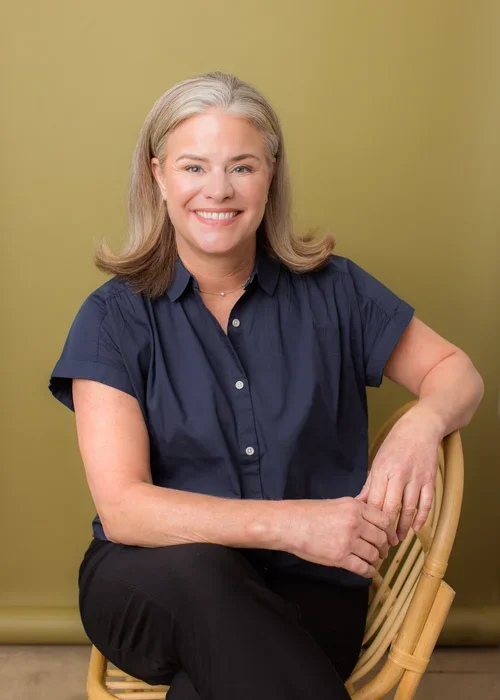
It was a Developmental Psychology course that sparked something within Kristin and led to a lifelong interest in working with children. Learning to view behavior through a developmental lens completely shifted the way she understood children's struggles. It opened the possibility of looking a layer deeper than just what a child is doing at a given moment, and getting curious about what might be happening underneath it.
In graduate school, Kristin was introduced to Child-Centered Play Therapy and it felt like a natural fit for how she wanted to support today’s youth. She felt empowered to support children in their emotional growth without expecting them to communicate like adults in order to benefit from therapy.
Today, that perspective continues to shape the way she works with children and their families.
What If the Behavior Is Only Part of the Story?
Kristin feels especially connected to children and families experiencing difficulties with regulation. And while "big feelings" is a phrase parents hear often, living alongside those feelings can be genuinely hard.
Children have a way of expressing dysregulation through behaviors that may be disruptive, confusing, or challenging for parents and caregivers to manage. You can understand your child is struggling or having anxious thoughts and still feel completely overwhelmed about what to do when these moments are showing up at home or in moments when it feels like nothings working.
Kristin makes room for both sides of that experience. Play therapy gives children a safe, predictable place to process their experiences, build their emotional vocabulary, and develop self-control.
Maybe just as important is her work to build confidence in parents and caregivers, helping them talk through realistic strategies to manage feelings and behaviors that are happening outside of the therapy room. In those conversations, Kristin and parents can think together about how to respond to big feelings and behaviors in ways that support both connection and consistency at home.
Coming together in a play therapy setting isn’t simply about stopping a behavior. Kristin really sees an opportunity to wonder what that behavior is communicating, and what a child may still be learning in the process. That’s what helps her partner with caregivers to navigate tough times with more of a gameplan that’s crafted around what the child may really need.
A Place Where Kids Don't Have to Find the Right Words
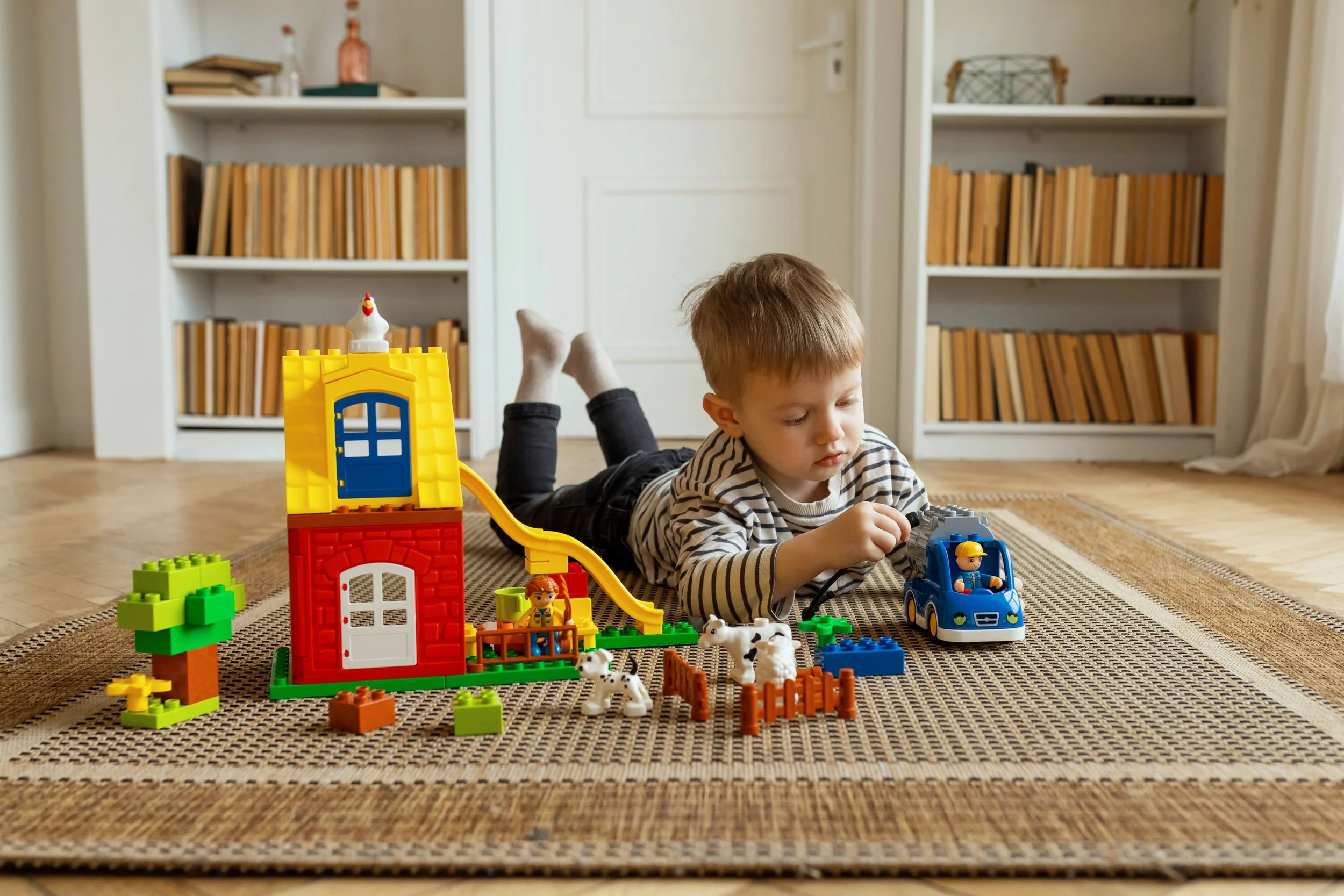
If you ask Kristin what she hopes someone notices when they first meet her, she doesn't jump right to a specific therapy technique or approach. What she hopes you feel is her warm, curious, and genuine interest in getting to know you.
When you’re handing over a piece of your family's story that may still feel confusing to you, that trust in a child therapist matters more than ever. You might know what’s been harder but not understand why things are different now, or walk in with a list of questions and approaches you’ve tried and wonder what you can do to make sure your child is set up for success in their future.
Kristin isn’t going to expect you to have those answers before you walk through the door, and she doesn't expect your child to have them either. For kids, play gives the conversation somewhere else to begin. They can explore what's happening through something that already feels familiar. The process of child play doesn’t ask them to explain a reaction or put complicated feelings into words they may not have yet.
As Kristin puts it, “Children at play have space to imagine, create, move their bodies, laugh, experiment, make mistakes, and try again.”
With time, children can experience her playroom as a place where they can show up as they are. At the same time, parents have someone willing to listen to what they're seeing at home, talk through what's been difficult, and think together about what support could realistically look like for their particular family.
Always Learning, Always Growing
One of the things that continues to inspire Kristin is the community of therapists around her.
She values being a part of a creative, generous professional community where colleagues openly share what they're learning. Sometimes that's a practical strategy; other times, it's a theoretical insight that gives her another way of thinking about the work.
Kristin genuinely enjoys those exchanges and the new ideas they spark.
For parents getting to know her, it's another small window into the way Kristin approaches this work. She brings her own experience into the room while staying interested in other perspectives and open to continuing to learn.
And Yes, Kristin Has a Favorite Kind of Play Too
It turns out Kristin has found a kind of play she loves outside the office, too. Lately, that's mah jong.
Recently I am finding absolute delight playing mah jong. The game appeals to me on many levels - my brain loves the visual patterns and colors, the auditory tapping and clacking of the tiles and especially the dopamine hit every time I draw a matching tile or a strategy works out exactly as I had hoped. - Kristin
She’s someone who notices the details, enjoys a little strategy, and gets genuinely excited when the pieces come together. There's also one fact about Kristin's life outside of work that apparently comes as a genuine surprise to some of her younger clients: She does not live at the office. We'll give them a minute with that one.
A Little Childhood Wisdom for the Adults in the Room
"What did you do as a child that made the hours pass like minutes? Herein lies the key to your earthly pursuits." ― C.G. Jung
This is a quote that Kristin shared with us, and feels like an open invitation to explore together as you step into the rest of your day. Maybe something comes to mind immediately like drawing at a kitchen table or making up elaborate games outside. Maybe you’re brought back to building something, collecting something, performing for whoever would watch, or doing something completely ordinary that you could somehow disappear into for hours.
Or maybe you haven't thought about that version of yourself in a very long time, and that’s okay too.
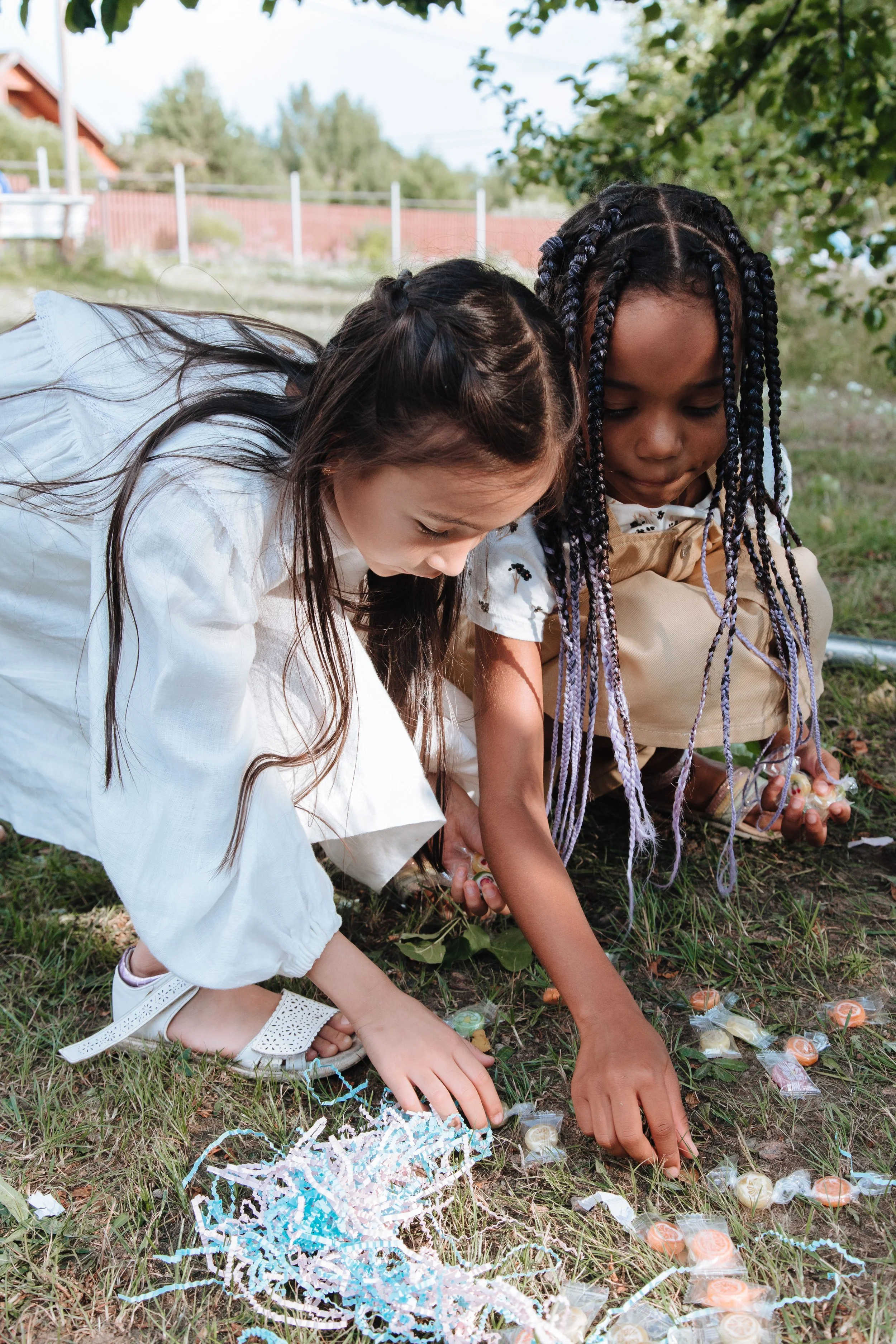
Play therapy gives Kristin an interesting perspective on what happens in those moments. Working with children has given Kristin an interesting perspective on what happens in those moments. As she describes it, “When children are engaged in play they do not question whether they are doing it right or if their ideas are good enough.”
A child might decide a cardboard box is a spaceship. If something doesn't go as planned, they adjust and keep going. The enjoyment doesn't necessarily disappear because the outcome changed.
As adults, that can become much harder. There's work to do, people to care for, relationships to maintain, and all kinds of roles we become used to filling. Somewhere along the way, doing something simply because we're curious about it or because it brings us joy can start to feel surprisingly unfamiliar.
Kristin's work with children is a reminder that maybe growing up doesn't have to mean leaving all of that behind. We don't necessarily need to become more playful or add one more thing to the list of ways we're supposed to improve ourselves. Maybe there's simply something worth noticing in the way children naturally make room to imagine, laugh, experiment, change their minds, make mistakes, and keep going.
So we'll leave you with Kristin's question: what made the hours pass like minutes for you?